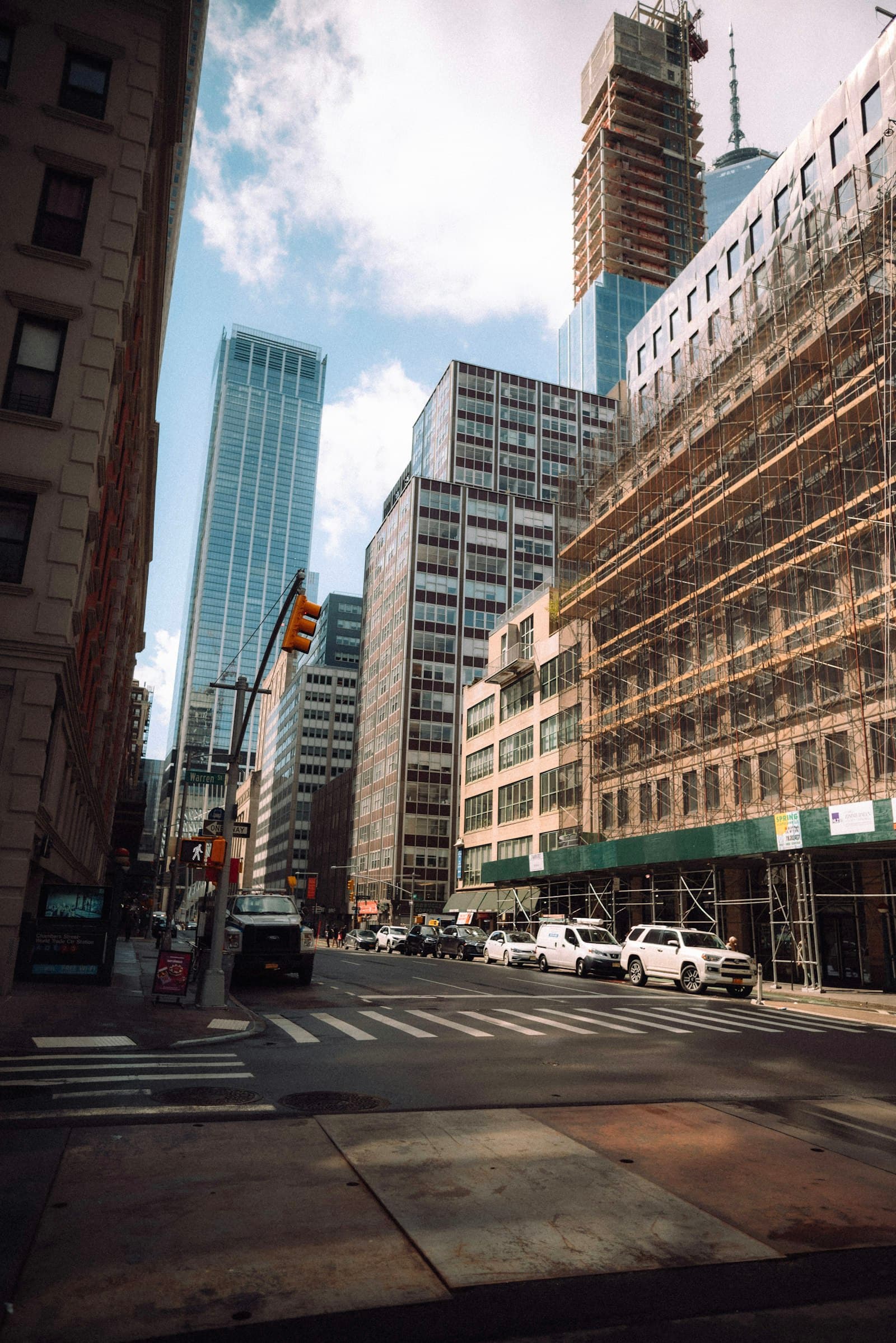
OfficeconversionwaveacceleratingacrossLowerManhattan
New York's adaptive reuse pilot is creating a generational opportunity. Underperforming Class B and C office buildings in the Financial District and Lower Manhattan are being repriced for conversion — and the first movers are already in execution.
Lower Manhattan's office vacancy has stabilised at 22.3% — more than double the pre-pandemic level. But within that headline number sits a more nuanced picture: Class A trophy towers remain largely occupied, while Class B and C buildings built before 1980 are experiencing structural vacancy that isn't cyclical. It's permanent.
The city's response — a zoning amendment enabling residential and hospitality conversion of commercial buildings in specific districts — has turned these distressed assets into acquisition targets. The math is compelling: purchase at a 30–50% discount to replacement cost, convert to a higher-and-better use, and exit at stabilised cap rates that reflect the new use class.
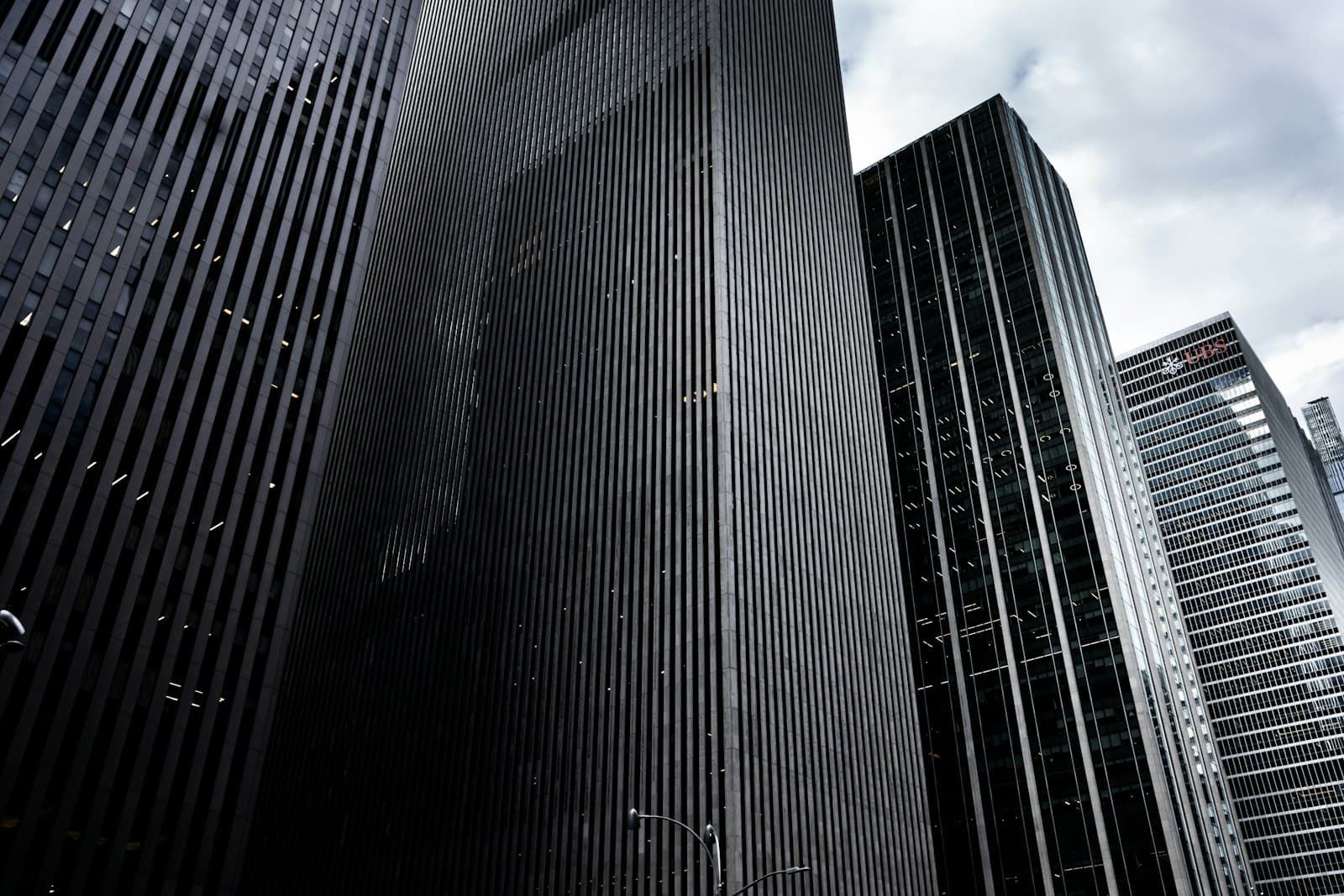
22.3%
Lower Manhattan office vacancy rate — but the opportunity is in the Class B/C segment, where vacancy exceeds 35%.
Tracked conversion projects
120 Broadway
Q3 2026
1 Liberty Plaza
Q1 2027
55 Water St (partial)
Q4 2027
180 Maiden Lane
Q2 2028
199 Water St
2028+
The pipeline is accelerating. Of the five major conversion projects we're tracking below 14th Street, two are already in construction and three more have entered the planning process within the last twelve months. The pattern is clear: institutional capital is moving from "watching" to "executing."
Eligible buildings by stage
Discount to replacement cost
"The buildings no one wanted eighteen months ago are now the buildings everyone is underwriting. The zoning amendment didn't just change use — it changed the entire value proposition of Lower Manhattan."
How we execute an office conversion mandate
Identification
Off-market sourcing through our broker network. We target buildings with specific physical characteristics: floor plate depth >60ft, window-to-wall ratio >40%, and structural grid spacing compatible with residential/hospitality unit planning.
Feasibility
Zoning analysis, structural assessment, and preliminary conversion cost modelling. We engage specialist architects to produce test-fit studies that determine unit yield, MEP routing feasibility, and code compliance pathways.
Structuring
Capital stack assembly, operator or brand selection (for hospitality conversions), and DA/permit strategy. Our relationships with three Tier 1 hotel brands and seven boutique operators give principals a direct path to brand-backing.
Execution
Acquisition, entitlement, and construction management. We remain involved through stabilisation, typically 6–12 months post-completion, ensuring the asset meets underwritten performance targets.
The conversion thesis in Lower Manhattan is no longer speculative — it's being validated by executed transactions and advancing construction timelines. The question for principals is positioning: the deepest discounts and most flexible zoning pathways are being captured now, before the market fully prices in the structural shift. We expect the window of maximum opportunity to narrow through 2027 as institutional allocation to conversion strategies increases.
Key takeaways
30–50% discount to replacement
Class B/C office buildings in the conversion zone are trading at significant discounts. The zoning amendment has unlocked value that was previously inaccessible.
Pipeline is accelerating
Five major projects tracked, two in construction. Institutional capital is shifting from observation to execution, compressing the window for off-market acquisition.
Hospitality is the highest-value exit
Hotel and serviced apartment conversions command the highest stabilised yields, with three Tier 1 brands actively seeking Lower Manhattan positioning.