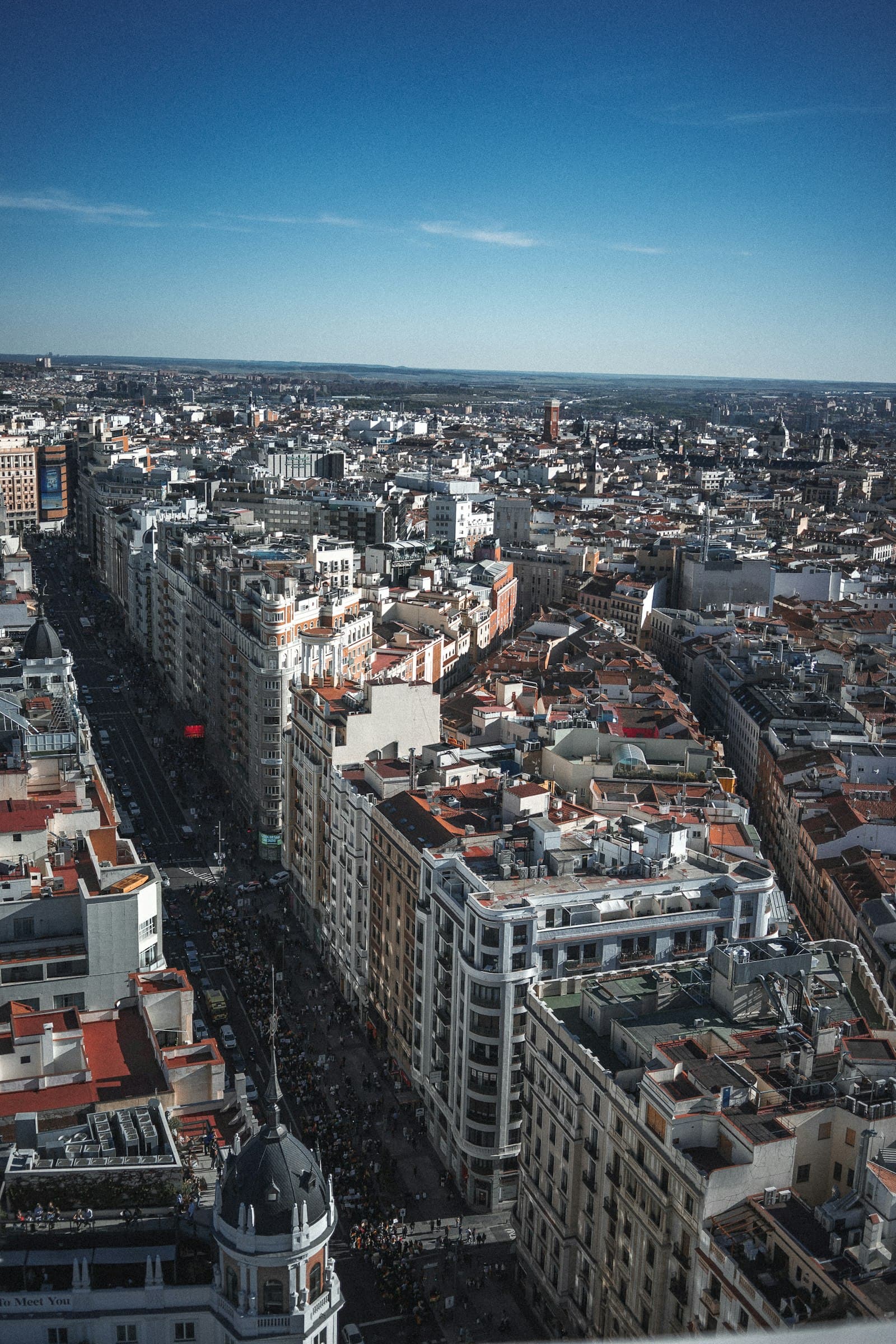
Post-transportupgrade:+42%footfallcreatinganF&Bcorridor
+42%
Footfall increase
Centro, since 2022
4.2%
Prime yield
down from 5.8%
€38/m²
Avg. ground-floor rent
+26% in 24 months
2.1%
Vacancy rate
historic low
The metro expansion in central Madrid has fundamentally shifted pedestrian flows — and the commercial real estate market is still catching up. Early-mover operators are securing ground-floor leases at yields that won't last.
When Madrid's Ayuntamiento announced the metro Line 11 extension in 2019, few in the commercial property sector anticipated the scale of impact on ground-floor F&B assets. The southern extension, connecting Sol to Carabanchel through new interchanges at Tribunal and Opera, was designed primarily as a commuter capacity project. Its secondary effect — reshaping pedestrian flow through Madrid's historic centre — has created one of Europe's most compelling F&B corridor opportunities.
This case study examines the data behind the opportunity — and why the window is narrowing.
"The station renovation didn't just add capacity — it moved the centre of gravity for pedestrian traffic three blocks south. Every F&B operator in the market noticed within six months."
Key milestones shaping the corridor
Metro Line 11 extension announced
Madrid Ayuntamiento confirms the southern extension connecting Sol to Carabanchel via new interchanges at Tribunal and Opera.
Construction begins on Gran Vía station expansion
The largest single-station renovation in Madrid's metro history. New pedestrian exits directly into the F&B corridor.
Phase 1 operational — footfall surge begins
First quarter after opening shows +28% footfall in surrounding 200m radius. F&B operators begin competing for ground-floor leases.
Yield compression accelerates
Prime ground-floor retail yields compress from 5.8% to 4.2% within 12 months. Institutional investors begin entering the market.
Phase 2 announced — Salamanca connection
The confirmed eastern extension to Salamanca is expected to replicate the Centro footfall pattern. Off-market activity intensifies.
The data below shows the quantitative impact of these infrastructure changes on commercial metrics across the two key districts: Centro (the immediate beneficiary) and Salamanca (the anticipated next wave).
Quarterly pedestrian flow (indexed, Q1 '22 = base)
Centro's footfall advantage is clear — and widening. The district's direct proximity to the upgraded metro stations has created a compounding effect: more pedestrians attract more operators, which in turn attract more pedestrians. Salamanca, while growing steadily, is still in the pre-catalyst phase. The confirmed Phase 2 extension is expected to accelerate its trajectory from 2026.
Centro vs. Salamanca — multi-factor comparison
The radar profile reveals a nuanced picture. Centro dominates on footfall, F&B density, and tourism share — the direct beneficiaries of the metro upgrade. Salamanca, however, commands higher average rents and lower vacancy, reflecting its established premium positioning. The investment thesis differs by district: Centro for yield-driven F&B plays, Salamanca for long-term capital appreciation.
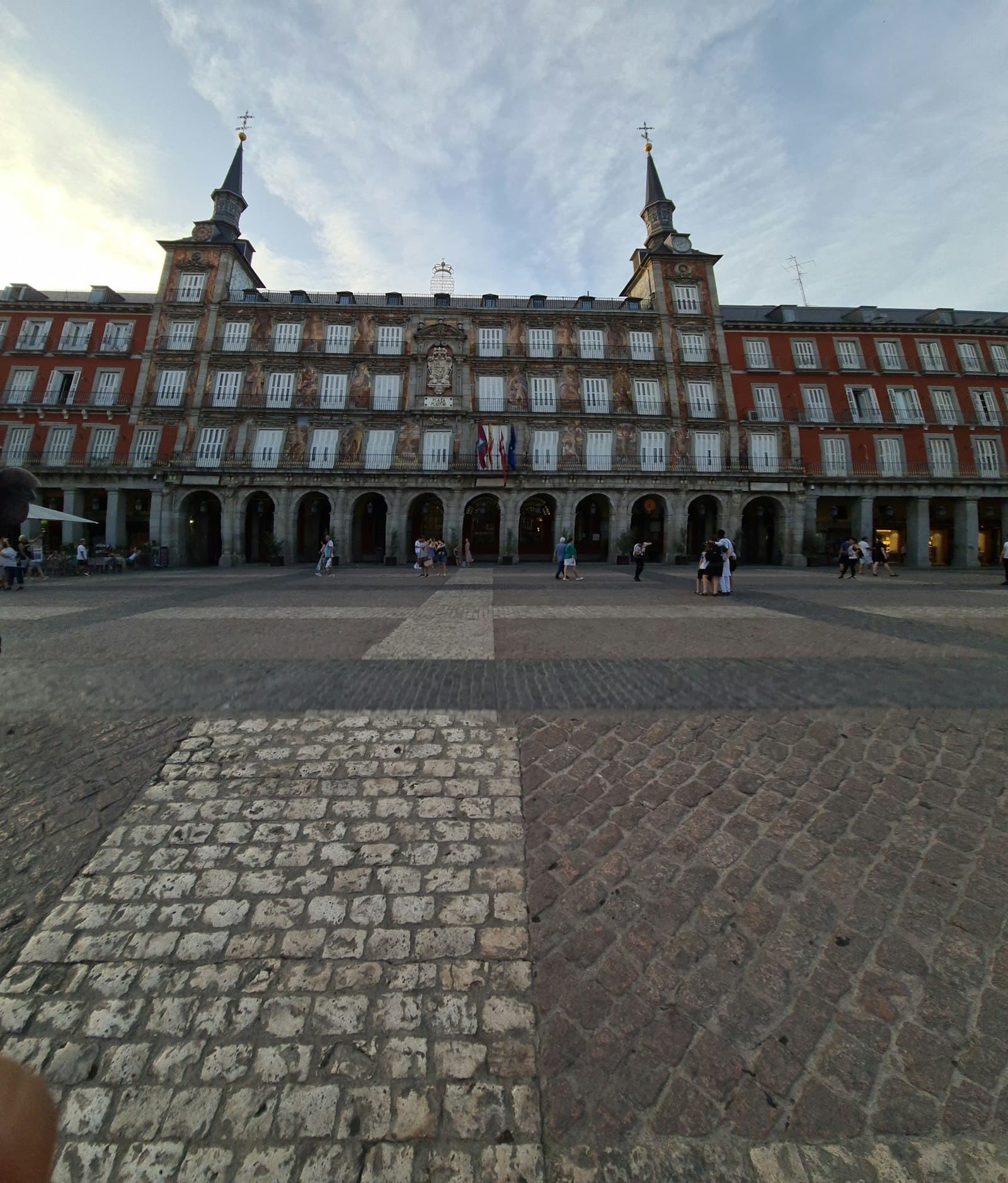
Centro. The pedestrianised corridors around the upgraded Gran Vía station now see 42% more daily foot traffic than pre-renovation levels.
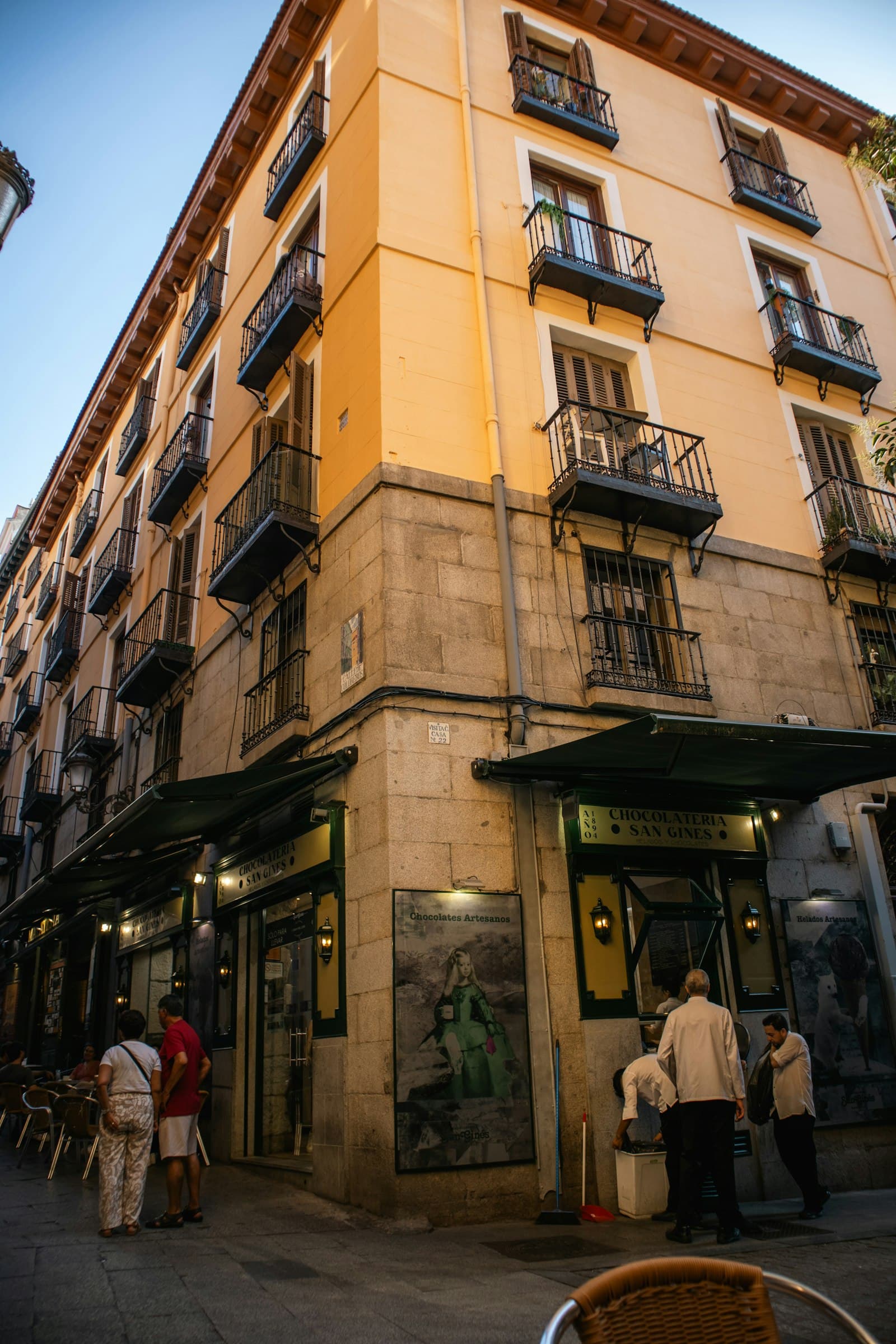
Salamanca. The confirmed Phase 2 metro extension is expected to catalyse a similar footfall uplift in Madrid's premium residential-commercial district.
The operator-led thesis
The most compelling opportunities in Madrid's Centro are not vacant units — they're occupied by underperforming tenants on legacy leases. Acquiring the freehold (or long-term leasehold) and repositioning with a curated F&B operator can unlock 180–220bps of yield improvement. We're currently tracking four such assets.
This insight is available in full to qualified principals with an active Madrid mandate.
Before & after: the numbers
| Metric | Pre-upgrade (2021) | Current (2025) | Change |
|---|---|---|---|
| Daily footfall (Centro avg.) | 34,200 | 48,600 | +42% |
| Ground-floor rent (€/m²/yr) | €30 | €38 | +26% |
| Prime yield | 5.8% | 4.2% | −160bps |
| Vacancy rate | 6.4% | 2.1% | −430bps |
| F&B licence applications (annual) | 142 | 287 | +102% |
| Avg. transaction size | €3.2M | €5.8M | +81% |
The Madrid corridor is a textbook case of infrastructure-driven value creation. The data is unambiguous: transport upgrades of this scale create predictable, measurable uplifts in commercial property metrics — typically over a 2–4 year lag. With the Salamanca extension now confirmed, the question for principals is not whether to act, but how quickly they can secure positioning before institutional capital fully prices in the opportunity.
Key takeaways
Infrastructure creates predictable uplift
Metro upgrades in Centro produced a +42% footfall increase with measurable commercial impact within 18 months. The pattern is replicable across European markets.
F&B corridor is forming — window narrowing
F&B licence applications have doubled since 2021. Vacancy is at a historic low of 2.1%. First-mover advantage is eroding as institutional capital arrives.
Salamanca is the next catalyst
The confirmed Phase 2 extension to Salamanca positions it as the pre-catalyst opportunity. Current pricing does not fully reflect the anticipated uplift.